Free Burnout Assessment Quiz (Maslach Framework)
Evidence-based burnout assessment measuring 3 dimensions with personalized recovery plan
Assess your burnout risk in 10 minutes
Based on the Maslach Burnout Inventory framework. All data stays private in your browser.
Severe Burnout Detected
Your results indicate critically high burnout levels. Please consider seeking professional support. If you are in crisis, contact the 988 Suicide and Crisis Lifeline (call or text 988).
Your Burnout Risk Level
Dimension Breakdown
Your weakest dimension is . Here is a structured recovery plan:
1 Quick Wins - Today
2 Short-Term - This Week
3 Long-Term - This Month
Track changes over time. Experts recommend reassessing every 30 days.
 Loggd · by the makers of this tool
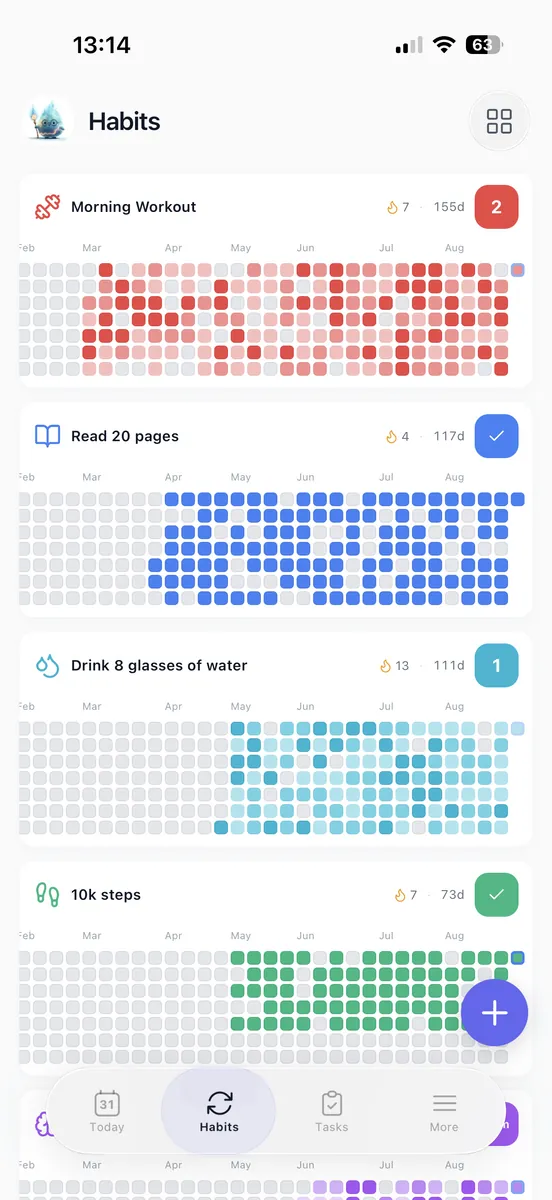
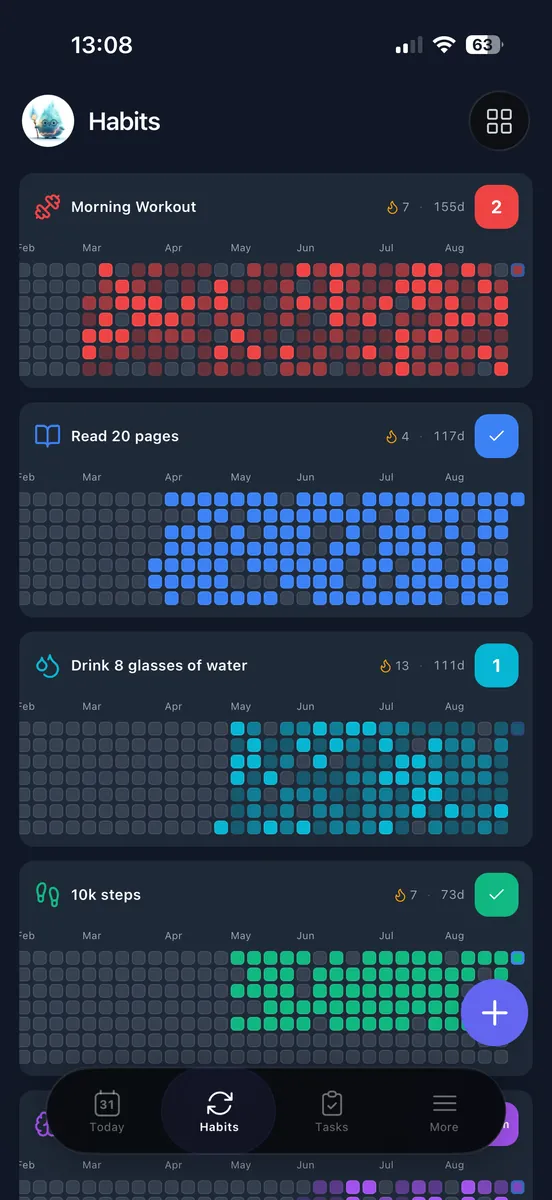
Make it a habit you check off every day.
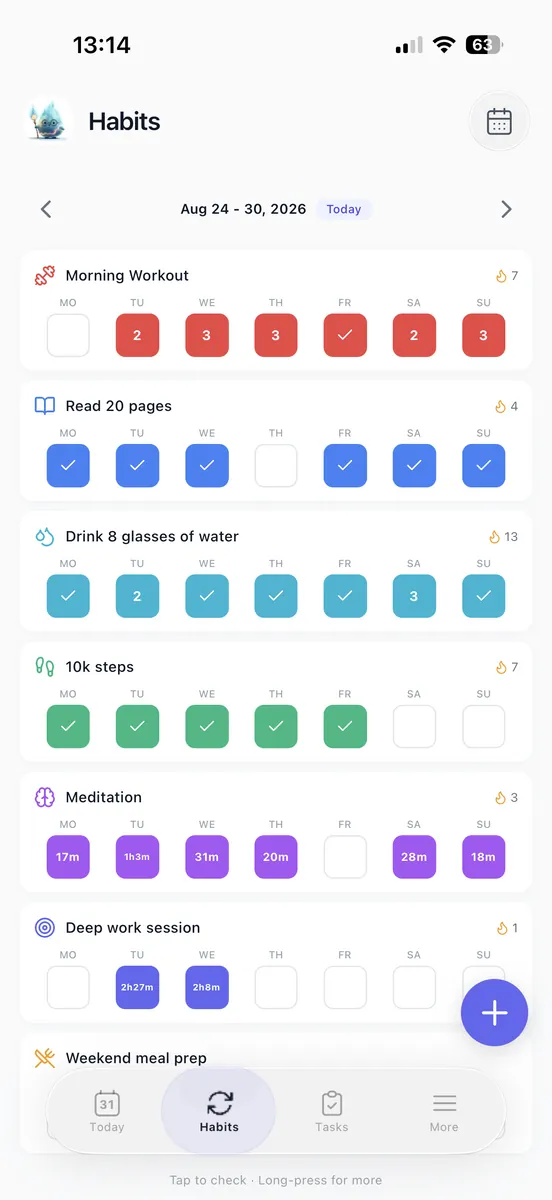
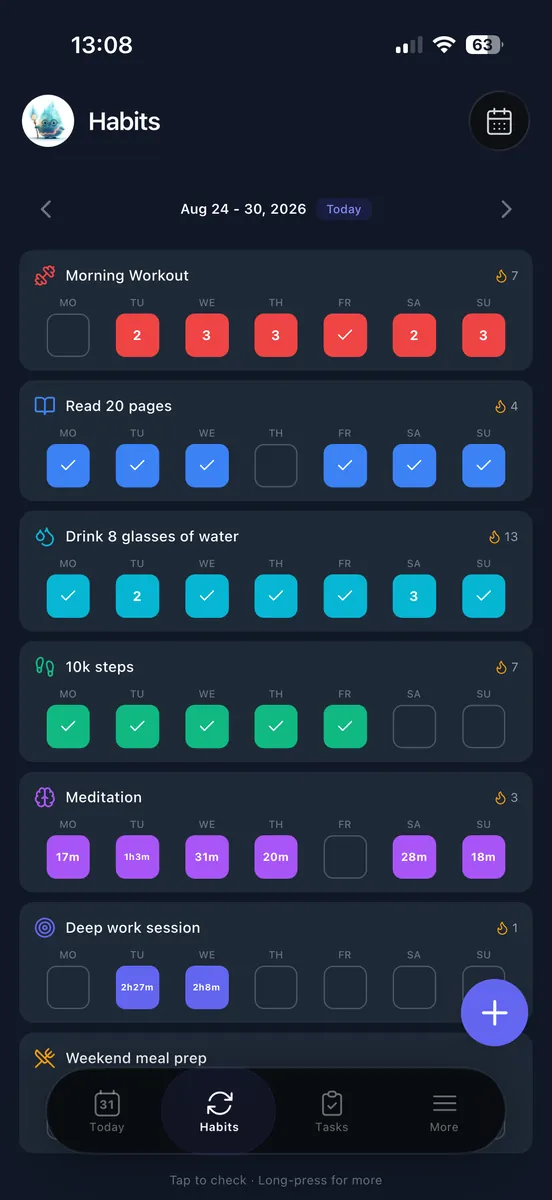
Add it to the free Loggd app, check it off each day, and watch your week and your year fill in.




Free plan with no time limit. No credit card.


Understanding Burnout: The Science Behind This Assessment
Burnout is a state of chronic workplace stress that has not been successfully managed. In 2019, the World Health Organization officially recognized burnout in the International Classification of Diseases (ICD-11), defining it by three dimensions: feelings of energy depletion or exhaustion, increased mental distance from one's job or feelings of negativism or cynicism, and reduced professional efficacy.
The Maslach Burnout Inventory Framework
This assessment is based on the Maslach Burnout Inventory (MBI), developed by Christina Maslach and Susan Jackson. The MBI is the most widely used research measure of burnout, cited in thousands of peer-reviewed studies. It measures burnout across three key dimensions:
- Emotional Exhaustion: The feeling of being emotionally overextended and depleted of emotional resources. This is often considered the central quality of burnout and the most obvious manifestation. People high in emotional exhaustion feel drained, fatigued, and unable to face another day of work.
- Depersonalization (Cynicism): A negative, callous, or excessively detached response to various aspects of the job. This dimension represents the interpersonal component of burnout. People experiencing depersonalization treat colleagues and clients as impersonal objects and develop a cynical attitude toward their work.
- Personal Accomplishment: A decline in feelings of competence and successful achievement in one's work. This is reverse-scored - low scores indicate burnout. People with reduced personal accomplishment feel ineffective, question the value of their work, and struggle to see their positive impact.
How Burnout Develops
Burnout does not happen overnight. It develops through stages, often beginning with excessive ambition and dedication, progressing through neglecting personal needs and displacement of conflicts, until reaching full burnout characterized by inner emptiness, depression, and physical collapse. Research suggests that emotional exhaustion typically develops first, which then leads to depersonalization as a coping mechanism, which ultimately erodes personal accomplishment.
Burnout vs. Stress vs. Depression
While related, burnout is distinct from general stress and clinical depression. Stress involves too much - too many pressures demanding too much physically and psychologically. Burnout involves not enough - feeling empty, devoid of motivation, and beyond caring. Depression affects every area of life, while burnout is primarily work-related (though it can spread). If you are experiencing symptoms beyond work, please consult a mental health professional.
Warning Signs to Watch For
- Physical symptoms: Chronic fatigue, insomnia, frequent illness, changes in appetite
- Emotional symptoms: Feeling of failure, self-doubt, helplessness, detachment, decreased satisfaction
- Behavioral symptoms: Withdrawing from responsibilities, isolating from others, procrastinating, using food/drugs/alcohol to cope
- Cognitive symptoms: Decreased productivity, difficulty concentrating, forgetfulness
Evidence-Based Recovery Strategies
Research shows that burnout recovery requires action at both the individual and organizational level. At the individual level, the most effective strategies include: establishing clear work-life boundaries, practicing regular physical exercise, engaging in mindfulness or meditation, reconnecting with meaningful aspects of work, seeking social support, and working with a therapist or coach. Recovery takes time - most experts recommend reassessing every 30 days to track progress.
Important Disclaimer
This assessment is a screening tool for educational purposes, not a clinical diagnosis. It is based on the Maslach Burnout Inventory framework but is not the official MBI instrument. If your results indicate high or severe burnout, please seek support from a qualified mental health professional. If you are in crisis, contact the 988 Suicide and Crisis Lifeline (call or text 988) or the Crisis Text Line (text HOME to 741741).
How to Use This Tool
-
1
Answer 22 questions about how often you experience burnout symptoms
-
2
Rate each statement on a 7-point scale from Never to Every Day
-
3
View your overall burnout risk level on an animated gauge visualization
-
4
Review your scores across 3 dimensions: Exhaustion, Cynicism, and Accomplishment
-
5
Get a personalized recovery plan with quick wins, short-term, and long-term actions
-
6
Save your results and reassess every 30 days to track improvement
Frequently Asked Questions
Burnout is a state of chronic workplace stress that has not been successfully managed, recognized by the WHO in 2019. While stress involves too much (too many pressures), burnout involves not enough (feeling empty, devoid of motivation). Stress is characterized by overengagement, while burnout is characterized by disengagement.
The Maslach Burnout Inventory (MBI) is the most widely used research tool for measuring burnout, developed by Dr. Christina Maslach. It measures three dimensions: Emotional Exhaustion (feeling drained), Depersonalization/Cynicism (detachment from work), and Personal Accomplishment (sense of effectiveness). This free assessment is based on the MBI framework.
Your score is calculated across three dimensions. For Emotional Exhaustion and Depersonalization, higher frequency scores indicate more burnout. For Personal Accomplishment, the scoring is reversed - lower scores indicate burnout. The overall percentage combines all three dimensions into a single risk level: Low, Moderate, High, or Severe.
Take the results seriously but remember this is a screening tool, not a diagnosis. Review the personalized recovery plan, start with the quick wins, and consider speaking with a mental health professional, your manager, or HR. If you are in crisis, contact the 988 Suicide and Crisis Lifeline.
Experts recommend reassessing every 30 days. This allows enough time for recovery strategies to take effect while catching any escalation early. Save your results to track changes over time and see if your efforts are making a difference.
Yes, completely. All 22 answers and your results are processed entirely in your browser using JavaScript. Nothing is sent to any server. Your burnout assessment data remains private on your device.
Related Tools
Loggd · by the makers of this tool
Track your life. See your year.
Loggd is a free app for your habits, tasks, goals and focus time.
- Check a habit and a square fills in. A year is 365 squares.
- Tasks, goals with milestones, and a focus timer in the same app.
- iPhone, Android and web. One account, the same data everywhere.
Free plan with no time limit. No credit card.